I wrote and read a lot about Architecture and Architects before starting University just to get a feel for the subject. The problem was however when I got to Architecture a lot of the drivel I had shoved into that thoughtbox was trampled on.
But I need to put this here for posterity:
Mimar Sinan stands at the cusp of being a historical figure along with my favourite character from a novel. The ‘Great Architect’ has been remembered to be the most celebrated architect of the Ottoman Empire in Turkey. However, it was not through history books that I came across his character but rather a popular historical Turkish soap opera, The Sultan’s harem. Rather than being interested in the lives of the more glamorous occupants of the story, I was intrigued by episodes which featured Sinan. After watching the drama I was compelled to find more information about him and my visit to Istanbul proved fruitful in this regard. He was buried in a turbesi (grave) that he had designed himself and the simplicity of his death bed in comparison to the grand buildings he constructed for the sultan held me in awe.
However, the foundations for a deep interest in Sinan’s work were laid when I came across the book the Architect’s Apprentice by author Elif Shafak. It was through the mesmerising words of the author that I learnt about Sinan’s life, philosophy, and the processes that may or may not have gone through his head while he constructed some of the most important buildings that have become symbols of Turkish culture including the Sulaimaniya mosque, the Selimiya mosque and of course the restoration of the Hagia Sofia.
Sinan shared a saying of Vitruvius with his apprentice and it has been embedded in my mind forever, a philosophy I wish to apply wherever I go. He said that a building must have three features: Strength, utility and beauty. Upon asking his apprentice which one he’d sacrifice, the apprentice replied: beauty. The wise man shook his head and replied: None, if you give up one you end up losing all three.
The Sinan portrayed in Shafak’s novel has not only influenced me on the basis of his architectural and professional accomplishments but at how he has managed to synthesise nature, beauty and spirituality into his work, making it a complete religion in itself. He has rendered his buildings into living, breathing creations. I hope to incorporate his philosophy not only into my future body of work but also into every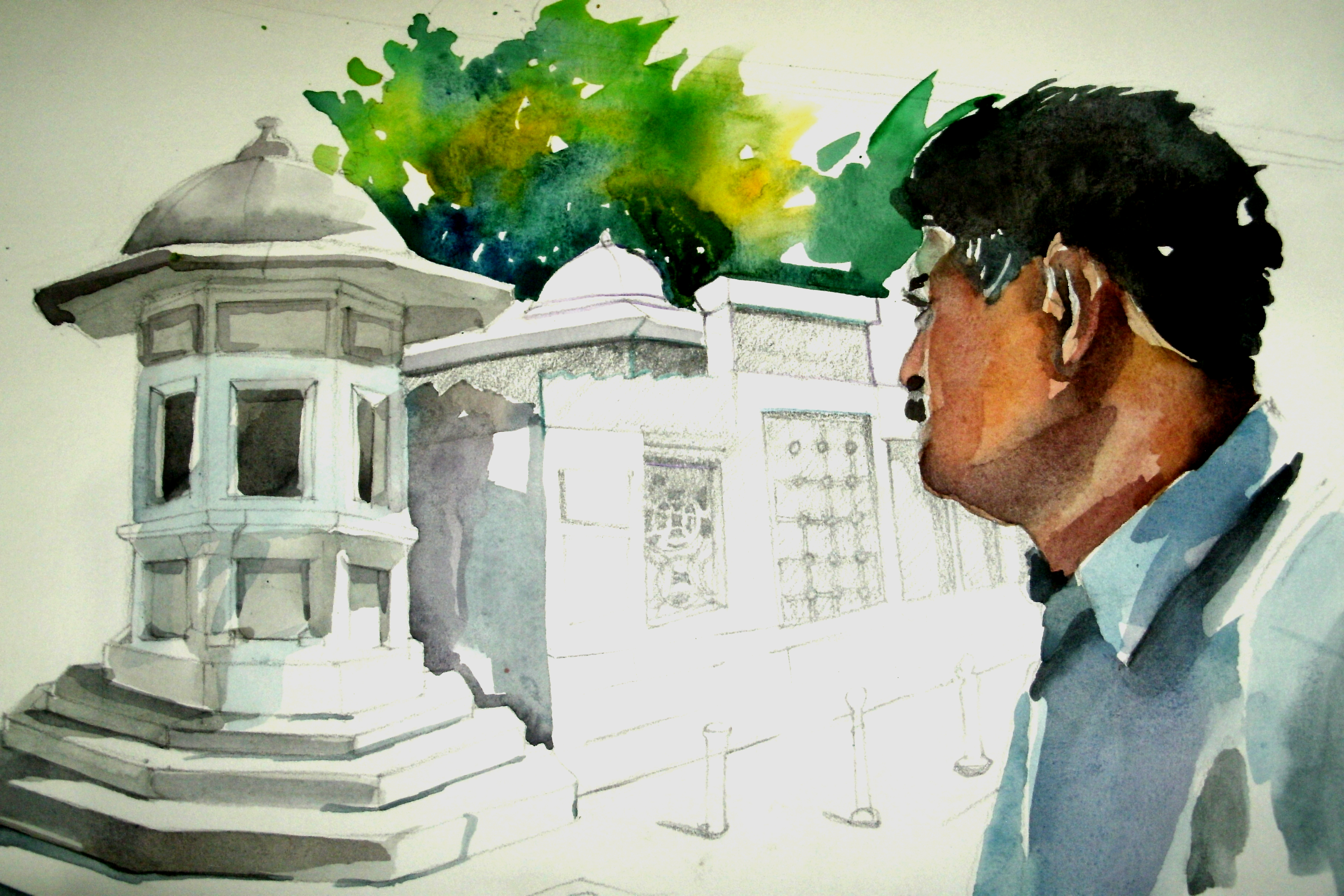 aspect of my life.
 Radhya Kareem